
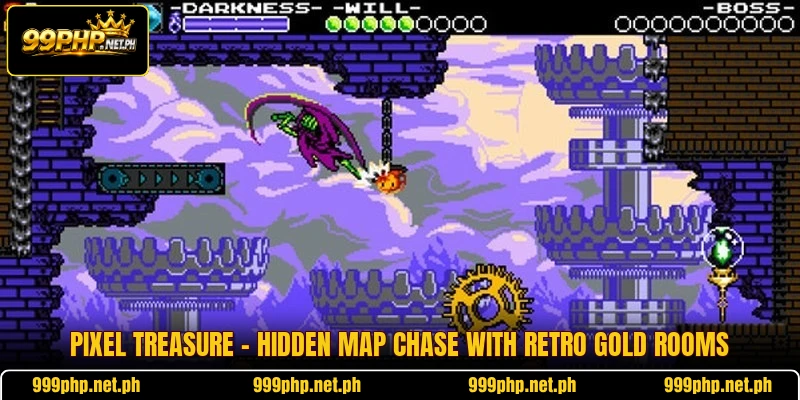
Pixel Treasure follows a compact treasure route where pixel art, map pressure, and reward timing shape each stage. The game feels simple at first, yet each room asks for careful reading before movement. This article is written for arcade readers at 999PHP, to help them understand treasure path logic, aiming for cleaner play decisions.
Overview of the treasure hunt in Pixel Treasure
The core journey begins with a small explorer moving through tight rooms, broken floors, hidden passages. Each stage uses a clear retro look, so objects stand out without heavy visual noise. Treasure progress depends on reading space calmly, because rushed movement can turn a safe route into a missed chest.
A typical round in Pixel Treasure feels short, but the route can hide several layers of choice. Small coins may guide movement toward safe corners while darker tiles suggest risk near traps. The best reading method starts with the visible path, then checks blocked areas before any major turn.
Stage rhythm matters because the map rarely rewards careless speed for long. A player may reach a chest quickly, yet miss key fragments that unlock deeper rooms later. Clear progress comes from comparing each door, floor mark, and chest position before deciding which path deserves attention first.
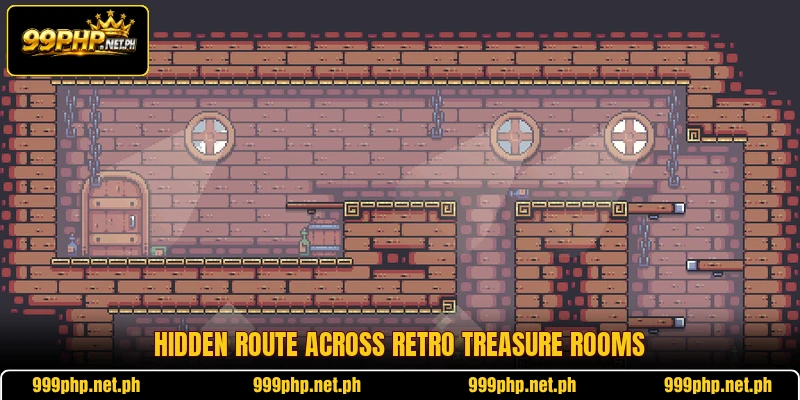
Treasure map in Pixel Treasure to know
A strong treasure route needs more than movement because every room can shift the next decision. Map reading becomes sharper when visual clues stay connected across walls, corners, gates.
Hidden tunnels with small chests in Pixel Treasure
Hidden tunnels usually appear near narrow edges where the floor pattern changes slightly. A small chest may sit inside these paths, but its value often depends on the route taken before entry. Careful screen reading helps separate a useful side path from a decorative corner with no reward.
Some tunnels ask for slow movement because traps may sit close to the chest location. A bright chest can distract from spikes, falling tiles, or short timing windows nearby. Safer progress comes from checking the exit first, then collecting the reward only when the return path remains clear.
Small chest routes also help explain how the map controls player attention. They create quick reward moments without ending the main treasure chase too early. When these routes appear often, the game starts to feel like a puzzle of patience rather than a simple race for coins.
Locked doors that need enough key fragments
Locked doors create a clear progress check between early rooms and deeper treasure areas. A door may require 3 fragments, while another path may demand 5 before it opens. This structure makes each collected piece important, especially when the map offers more than one route forward.
In Pixel Treasure, key fragments work best when they are treated as route signals rather than random items. Missing 1 fragment can block a late room even after a strong early run. A practical approach is to track fragment count after each section, then avoid entering a final gate too early.
View more: Pixel Strike – Sharp Arcade Combat With Tactical Firepower
Door placement can also reveal how the stage expects movement to unfold. A locked gate near a central corridor often points toward a hidden side room nearby. When the map loops back to the same gate, that return path usually confirms that earlier exploration has real value.

Secret rooms behind false walls
False walls are useful because they make the treasure hunt feel less predictable. A plain block may hide a short passage, a quiet room, or a chest with stronger value. The visual cue is often small, so repeated runs can reveal details that first attempts fail to catch.
Inside Pixel Treasure, secret rooms should be judged by entry cost, escape safety, and reward position. Some walls sit beside hazards, so breaking the route for a hidden room can create extra risk. A strong decision weighs the possible chest against lost time, missed fragments, or a damaged route.
Secret spaces also give the map a stronger sense of discovery without forcing random guessing. A wall near an unusual tile pattern often deserves closer attention during calm play. Over time, these signs build a readable language that turns hidden rooms into fair challenges instead of blind surprises.
Final milestone that opens the great treasure
The final milestone usually works as the last proof that earlier rooms were handled well. A large treasure may require full fragment count, safe movement, and proper route order. This makes the ending feel earned because missed pieces from earlier rooms can still affect the last reward.
A clean finish in Pixel Treasure depends on entering the final area with stable resources and clear timing. The last screen may look open, yet traps often protect the large chest from careless movement. Counting fragments before entry helps prevent a failed gate check after a long route.
Final milestones also give structure to short arcade sessions because they turn small actions into connected progress. Each chest, tunnel, and false wall supports the larger route instead of feeling separate. When the last reward appears, the stage confirms whether earlier choices formed a complete treasure path.
Reward chest types in Pixel Treasure
Chest value should be read through position, access cost, and the stage point where it appears. Pixel Treasure uses chest variety to guide attention across short rooms without making every reward feel equal. A clear chest list helps compare safer finds with rewards hidden behind heavier route pressure.
- Small chest: A light reward chest may give 10 to 30 coins after a short tunnel or low-risk corner route.
- Locked chest: This chest can require 3 key fragments before opening, so missed pieces may delay the reward.
- Silver chest: A mid-tier chest may appear after hazard timing, with a reward range near 40 to 80 coins.
- Golden chest: A stronger chest may sit behind a false wall, often linked to 100 coins or a rare bonus mark.
- Great treasure chest: This final chest may need 5 fragments plus full milestone access, so route order matters more than speed.

View more Category: Arcade
Conclusion
Pixel Treasure works best when the treasure route is read as a connected map rather than a quick chase. Hidden rooms, fragment gates, and chest timing create a steady structure for cleaner decisions. A calm account setup at 999PHP can be a suitable next step.