
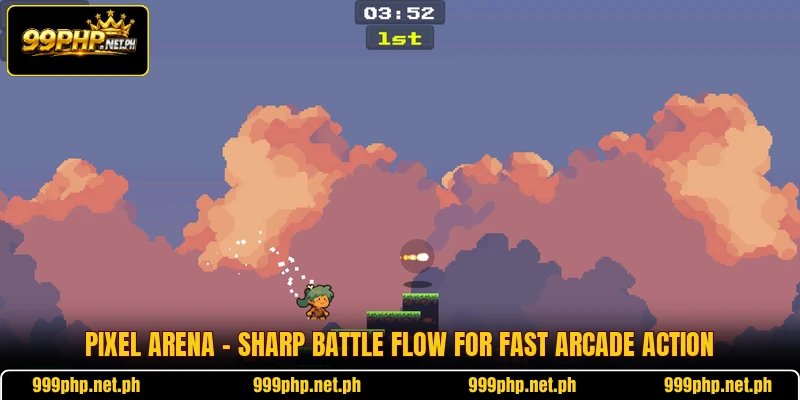
Pixel Arena centers on tight movement, fast reading, quick punishment inside compact combat spaces. Each round feels sharper when map routes, weapon timing, score pressure stay easy to track. This article is written for arcade players at 999PHP, to help them understand arena battle flow, with the aim of steadier match judgment.
What makes Pixel Arena popular among the community?
The appeal starts with compact match design that avoids slow gaps between key moments. Short rounds keep attention high while still giving enough room for tactical choices. Clear visual feedback also helps each mistake feel readable instead of random during repeated matches.
- Fast combat rhythm: Pixel Arena keeps round pressure active through quick respawns, short approach routes, visible scoring changes after every clean hit.
- Clear pixel layout: Bright blocks, simple outlines, readable movement paths help players spot danger without needing complex screen interpretation.
- Skill based pressure: Timing, spacing, route control often matter more than luck when two players meet near contested ground.
- Quick learning curve: Basic controls feel direct at first, yet stronger play still depends on sharper map memory.
- Replay value: Short sessions make repeated matches practical because each loss can reveal a clear adjustment for later rounds.

Battle modes in Pixel Arena
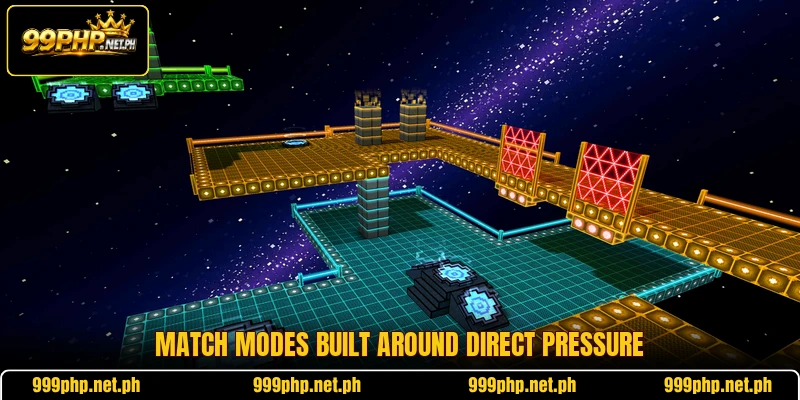
Match structure shapes how pressure builds across each round. A good mode keeps movement readable while still forcing timely decisions.
Fast solo pressure in Pixel Arena
Solo play makes every approach feel personal because no teammate can cover a mistake. A player must read distance, weapon reach, escape lanes before entering open ground. The strongest rounds often come from calm movement rather than constant chasing across the nearest lane.
Pressure rises when two players circle the same item spawn or narrow gate. A rushed attack may win space for a second, yet poor recovery can expose the next movement path. Smart solo play often starts with waiting long enough to make the opponent reveal direction.
Fast rounds also make score swings easier to notice after each clean hit. A single failed dodge can change the pace because the opponent gains time, position, extra confidence. Stronger control comes from reading rhythm first, then choosing whether to attack or reset safely.
Team battles need shared positions
Team mode gives Pixel Arena a wider tactical shape because several lanes can matter at the same time. Each player needs a defined space so the group does not collapse into one crowded corner. Good spacing protects exits, controls pickups, reduces panic when the other side pushes hard.
A balanced team usually keeps one player near the center while others watch side routes. This setup makes surprise movement harder because every approach has some form of pressure. When roles blur too much, open space appears behind the group and quick opponents can break through.
View more: Zombie Outbreak – Sharp Survival Play Through Undead Chaos
Communication can stay simple when map duties are already understood. A player covering the left lane only needs to signal danger before backing away. The goal is not perfect control over every square, but steady pressure that keeps the team useful during messy exchanges.
Survival extends match rhythm
Survival mode turns Pixel Arena into a longer test of patience because each mistake carries heavier cost. Players often choose safer routes while watching item timing, enemy distance, remaining space. The pace can feel slower at first, yet danger grows once the arena starts feeling smaller.
Staying alive requires more than hiding near the safest wall. A player who avoids every fight may lose access to useful pickups later. Better survival play keeps escape paths ready while still collecting enough advantage to answer pressure when the round tightens.
Late moments reward clean movement because small errors become harder to repair. Opponents often wait for panic steps near corners or narrow lanes. A steady player can survive longer by changing route speed, avoiding repeated patterns, leaving risky fights before the screen becomes trapped.
Ranking based on defeat points
Ranked play makes Pixel Arena feel more measured because every defeat point affects match value. A clean elimination matters more when it comes from controlled timing rather than reckless pursuit. This scoring style pushes players to think about position, target choice, recovery after each clash.
Point hunting can become risky when the nearest opponent appears weak. Another player may be waiting near the same route, turning an easy chase into a trap. Strong ranked performance depends on knowing when to finish pressure and when to preserve position for the next exchange.
The best ranked rhythm often comes from stable decisions across many rounds. A player should avoid changing style after one unlucky loss. Score growth becomes easier to judge when each match is reviewed through movement discipline, defeat timing, missed chances near contested areas.
Combat zones in Pixel Arena worth learning
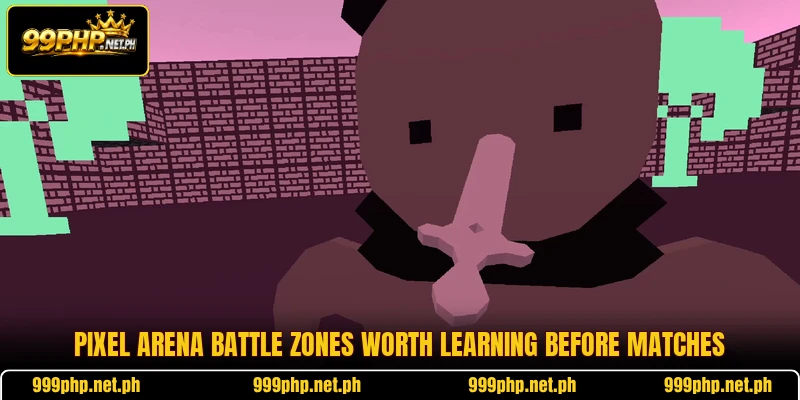
Arena control depends on knowing where pressure usually appears before the fight begins. Each zone creates different movement habits, so repeated routes should be reviewed with care. Reading these spaces helps players avoid wasteful clashes while keeping stronger positions during fast exchanges.
- Center lane: Pixel Arena often places early pressure around central space because players meet faster and score chances appear quickly.
- Corner routes: Corners can protect short recovery moments, yet they become dangerous when escape paths are blocked by stronger movement.
- Pickup spots: Item areas deserve careful timing because several players may arrive there before the reward becomes useful.
- Narrow gates: Tight passages create strong ambush chances, so entry timing matters more than raw speed through the lane.
- Outer edges: Side movement can reduce direct pressure, but staying there too long may weaken access to active scoring zones.
- High ground: Raised blocks create wider sight lines, so players can read movement earlier before choosing a safe attack angle.
- Spawn exits: Entry routes after respawn need quick scanning because crowded exits can turn a fresh return into another fast mistake.
View more Category: Arcade
Conclusion
Pixel Arena works best when movement, zone reading, scoring pressure stay easy to understand across every round. Its strongest appeal comes from short battles that still reward patience, spacing, sharper recovery after mistakes. For steady arcade play at 999PHP, creating an account can be a reasonable next step.